When homeowners in Lewisville call about comfort problems, it almost always sounds simple at first: “The AC isn’t keeping up,” or “It’s running nonstop,” or “Why does it feel humid even when the thermostat says it’s cool?” Those complaints can come from refrigerant issues, airflow restrictions, duct problems, or control settings. But I can tell you from years on service calls, the most common root cause behind recurring, expensive “repairs” is a system that was never sized correctly in the first place.
Oversized equipment short-cycles, never pulls enough moisture from the air, and wears itself out early. Undersized equipment runs constantly, struggles during heat spikes, and often masks a balance problem under the surface. Correct sizing is not a marketing phrase. It is a set of calculations, measurements, and decisions that determine whether the equipment can meet the load on the hottest days and maintain humidity control on ordinary ones.
That is the difference between a one-time fix and a reliable long-term system match.
What “right size” really means in Lewisville
Most sizing discussions get reduced to one number, “tons.” That’s a useful starting point, but it’s not the whole story. In Lewisville and the wider north Texas climate, air conditioning has a two-part job.
First, it has to remove sensible heat, the part you feel as temperature. Second, it has to handle latent heat, the moisture load that turns “cool air” into “comfortable air.” If either side is ignored, the system can appear to work while comfort suffers.
A system can be sized to hit temperature but still fail at humidity. That is why you might see a contractor install what looks like the correct capacity on paper, yet the home still feels damp or clammy after several hours of operation. When you call it an “AC issue,” you are often calling the symptom, not the cause.
In practice, correct sizing means your HVAC contractor in Lewisville matches the system capacity and performance to the home’s actual load, the duct system’s reality, and the operating conditions at your address. That includes insulation, window solar gain, infiltration, shading, layout, and even how the return paths are built.
If TexAire Heating & Air Conditioning has done anything well for local homeowners over the years, it is taking that reality seriously, not just landing on a number.
Why contractors get sizing wrong (even when they mean well)
I’ve seen several patterns repeat across Lewisville jobs, including homes where the equipment was new, expensive, and still disappointing.
The first pattern is “rule of thumb” sizing. Some estimates start with square footage and assume a blanket load per square foot. It’s quick, but square footage alone does not account for orientation, attic conditions, duct leakage, or the way rooms actually receive airflow. Two homes can have the same square footage and behave like totally different loads under summer sun.
The second pattern is forgetting how the home breathes. Infiltration, the uncontrolled outside air entering through cracks, gaps, and imperfect seals, can be a major part of the cooling load. Homes with older weatherstripping, leaky return plenums, or frequent door openings can pull in more humid air. If the load model assumes “average” infiltration when your home is higher, the system ends up running on the edge.
The third pattern is assuming the ducts are perfect. Ductwork can be the hidden multiplier. Oversized equipment paired with undersized or leaky ducts can pull the home out of balance, leaving some rooms starved and others over-cooled. Undersized equipment paired with restrictive ductwork can feel like it cannot catch up. Either way, the capacity choice and the airflow delivery need to be connected.
Finally, the fourth pattern is performance mismatches. Even if the tonnage estimate is close, the equipment’s efficiency and capacity ratings at the actual operating conditions matter. A unit rated for ideal conditions might lose more performance when the system has to overcome higher static pressure, lower airflow, or less-than-perfect refrigerant charge. Sizing is only half the battle if the setup and commissioning do not align.
If you have ever had “AC repair in Lewisville” show up multiple times for the same complaint, sizing might be sitting underneath the symptom. Many times, repairs improve things temporarily, but the comfort issue returns on the first real heat wave.
The load calculation: where the real work happens
The right way to size starts with a load calculation. A reputable HVAC repair in Lewisville or a true HVAC contractor in Lewisville will not just eyeball your home. They will gather inputs and calculate the cooling load based on how your building transfers heat, gains solar radiation, and exchanges air with the outdoors.
I will keep this practical. You do not need to know every equation, but you should understand what gets measured and why.
A proper calculation includes:
- Structure characteristics: insulation levels, construction type, floor and attic setup, and window areas Orientation and shading: where windows face, tree cover, and how much direct sun hits surfaces Air leakage and infiltration: how much outside air enters and affects humidity Internal loads: occupants, cooking appliances, lighting heat, and sometimes electronics Thermostat behavior and setpoint: how long the system runs and how it cycles Cooling airflow targets: supply and return configuration that supports moisture removal
In the field, I often see that the biggest “surprises” are attic conditions and window solar gain. Attics with minimal insulation, poor baffles, or radiant barriers missing where they should be can raise the cooling load enough that a “standard” tonnage guess becomes a problem. Similarly, a set of west-facing windows can create a solar spike that makes afternoons miserable even when the morning looks fine.
When these factors are accurately captured, you can design a system that meets the home’s actual load and avoids the comfort rollercoaster.
Oversized vs. Undersized: how the wrong match shows up
Homeowners usually notice comfort issues before they know what caused them. The tricky part is that both oversizing and undersizing can create a similar complaint, “It doesn’t feel cool enough,” but the underlying behavior differs.
When a system is oversized
An oversized AC can cool quickly, satisfy the thermostat, and shut off. That sounds good until you watch what happens to humidity. Short run times reduce dehumidification. The air can feel cold briefly, then warmer and more humid as the cycle repeats.
Oversized systems also tend to run with less stable refrigerant and airflow conditions. That can mean increased wear on components. The compressor and blower cycle too frequently. Even if the system is not failing, it’s operating in a pattern that stresses it.

If you notice the unit cools for only a few minutes at a time and then rests, while the indoor air still feels clammy, oversizing is a strong suspect. That is one reason proper sizing is not just about meeting temperature, it’s about managing the way the system runs.
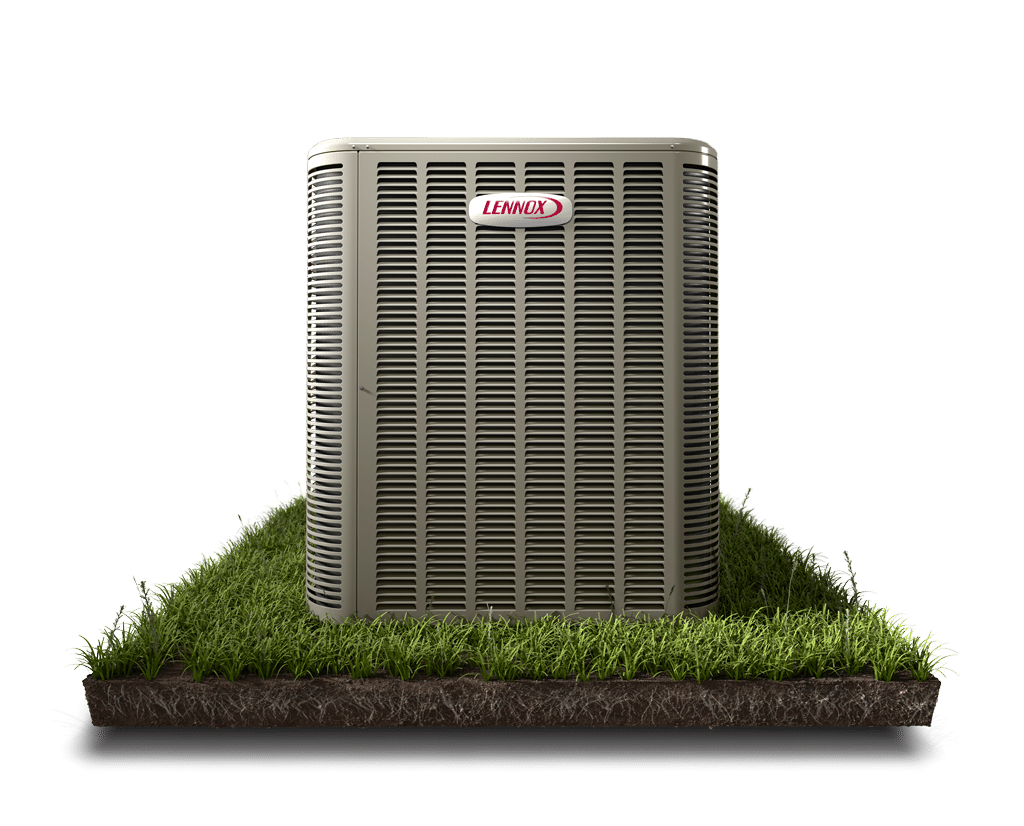
When a system is undersized
An undersized system behaves like it is always behind. On peak days it runs near continuously, sometimes dropping the indoor temperature in small increments and then failing to recover. If the thermostat holds to a constant setpoint, the system may never reach it consistently.
The result is discomfort that can feel like “the AC works but can’t keep up.” Over time, constant high run time can increase operating hours and stress components. It can also exacerbate indoor humidity if the system still cannot pull moisture at the needed rate.
You can also see heat soak issues in specific rooms. For example, a room with large west-facing glass or poor return airflow may remain warmer while others feel cooler. That is a sign the distribution and load factors are not aligning.
Airflow is part of sizing, not a separate concern
Even if your tonnage estimate is correct, the job is not finished if airflow does not match the system and ductwork. Airflow affects both sensible cooling and moisture removal. It also influences evaporator pressure and refrigerant behavior.
If the indoor blower runs too slowly, the evaporator can be starved, reducing heat transfer. That leads to weaker cooling and less humidity removal. If airflow is too high, the evaporator may not dehumidify adequately because the system moves air past the coil quickly.
That is why a correct system match includes static pressure checks and duct evaluation. If you have ever wondered why “AC maintenance in Lewisville” feels like it should be simple, it’s because many maintenance visits skip the parts that actually connect the airflow to comfort.
A well-sized system with poor airflow delivery can behave like the wrong size. This is where many installs go off track, especially when the focus stays on the outdoor unit and the indoor side and duct system are treated as an afterthought.
Ductwork and returns: the comfort multiplier
Lewisville homes vary widely in duct design. Some have updated returns that feed the system efficiently. Others have older duct runs that were never designed for modern airflow needs.
Returns matter because they balance how the air moves through the house. If the return is undersized or poorly located, supply air can create negative pressure or uneven distribution. That can pull in unconditioned air from attics or crawl spaces. It also makes the system work harder to maintain setpoint.
Supply duct location matters too. A system can be sized accurately yet struggle if major supply runs are blocked by furniture placement, closed dampers, or duct leakage pulling conditioned air into walls and ceilings.
When I inspect a system that keeps needing “HVAC repair in Lewisville” visits, I almost always ask about room temperatures. If the thermostat is in a hallway and one side of the home stays warmer for hours, that often points toward airflow imbalance or return path problems.
Correct sizing plus correct duct evaluation gives you a system that behaves predictably. You spend fewer days thinking about AC repair near Lewisville and more time enjoying AC that just works.
Calculating capacity the right way: what to demand from a real contractor
If you are hiring an HVAC contractor in Lewisville for AC installation in Lewisville, your best move is to ask questions that force the contractor to reveal their process. You do not need to be a technician, but you can absolutely listen for whether they’re doing true load calculations and whether they connect that to ductwork and airflow.
Here are the questions I suggest homeowners ask. They are simple, and they quickly separate careful builders from quick estimators:
- Will you perform a room-by-room load calculation, not just a rough square footage estimate? What measurements will you take for insulation, window areas, and attic conditions? How will you evaluate ductwork static pressure and airflow, and how does that affect the final system size? Will you confirm system airflow settings and refrigerant charge after installation? Do you provide a documented plan for humidity control, not only temperature targets?
A contractor who cannot answer these clearly is often relying on assumptions. Assumptions are where comfort problems begin.
Commissioning and setup: the part people skip
Even with the best calculation, the install quality decides how the equipment performs. Commissioning, startup verification, and proper charging are not luxury add-ons. They are the bridge between “right size on paper” and “right performance in your home.”
In Texas, where summers can get brutally humid, small setup errors can create big comfort outcomes. A unit that is slightly overcharged or undercharged can reduce cooling capacity, increase energy use, and sometimes worsen moisture control. A mismatched blower speed can change coil conditions and the way the system cycles.
AC maintenance in Lewisville often focuses on filter changes and checking refrigerant lines, which is fine as basic care. But when you are evaluating a new install, you want proof of performance checks, not just a handshake.
If your system is new and you still experience high humidity or frequent cycling, the first conversation should involve setup verification. That is also the moment when the sizing discussion comes back into focus. Sizing, airflow, and charge all interact.
Real-world example: the “same square footage” story
I want to share a scenario I have run into repeatedly. Two neighbors, same general square footage, same neighborhood. One home feels comfortable. The other home feels damp and uneven, with the AC often blowing cold air but not making the house feel truly “done.”
When we looked closer, the differences were not dramatic in appearance, they were dramatic in function.
In the first home, the attic insulation was upgraded and the return path was straightforward. Ducts were sealed enough that the system delivered most of its conditioned airflow. The thermostat was on a main circulation path, and the rooms had adequate return pathways.
In the second home, the attic insulation was thinner and the window areas were larger on the west side. The duct runs had noticeable leakage, and some return air paths were restrictive. The equipment size chosen using a simple estimate did not account for the moisture load and airflow realities. Repairs helped for a short while, but the home kept chasing comfort. The “HVAC repair in Lewisville” visits became a pattern.
Once the system match considered the real load and airflow constraints, the home stopped fighting the equipment. That is what correct sizing does. It reduces the guesswork and makes comfort predictable.
Sizing for different system types: what changes
Not every home should have the same approach. The right system match involves both load calculation and equipment type. Two common options are single-stage or two-stage setups, plus variable-speed systems. They behave differently under partial load conditions, which matters in humid climates where the system cycles through a range of outdoor conditions.
Single-stage systems often run at full output when they call for cooling. That can be fine, but if the system is oversized, the short run times show up quickly. Variable-speed systems can modulate, which can improve comfort and reduce cycling, but only if the airflow and controls are set correctly.
For homeowners, the takeaway is not “choose variable speed” as a blanket rule. The takeaway is that your load and your duct system should guide the equipment selection. Proper AC installation in Lewisville is not just swapping hardware, it’s designing how the system will behave inside your home.
The trade-off nobody tells you: bigger is not always “more”
Oversizing might seem safer in hot weather. It feels like you are buying extra capacity just in case. The problem is that “extra” capacity shifts how the system operates. It changes run times, humidity removal, and component stress.
The trade-off becomes clear in July. With an oversized unit, you may get lower indoor temperatures quickly, but comfort can feel cold and clammy at the same time. With an undersized unit, you may keep humidity under control early in the day, but peak conditions push the system into constant high demand.
A correct system match aims for the best balance, enough capacity to meet peak loads while maintaining humidity management and stable operation during shoulder seasons. That is why proper calculations and careful setup are so persuasive. They protect comfort and reduce repeat service calls.
How to spot sizing problems before you’re stuck with repeat repairs
You do not need fancy tools to notice behavior patterns. You need attention to what the system does day after day.
If you see the system cycling frequently without long runtimes, yet humidity feels high, that’s a clue. If you see long continuous operation with little temperature improvement on peak days, that’s another clue. If certain rooms stay consistently warmer or cooler, airflow distribution may be involved.
Also watch your energy bills. Oversized systems can short cycle inefficiently. Undersized systems can run continuously and consume more electricity. The exact outcome varies, but persistent discomfort paired with rising costs is rarely “just normal.”
A quality HVAC repair in Lewisville should investigate these patterns with a broader view, not only replace parts based on symptoms. That same mindset should apply to AC maintenance in Lewisville, even when you are scheduling routine service.
When to call for help, and what to ask for
If you are experiencing recurring issues, it is reasonable to ask whether sizing and airflow were checked during install or earlier visits. Many homeowners hesitate, worried they will sound difficult. The truth is, good contractors appreciate clarity. You are not accusing anyone, you are trying to solve the problem correctly.
If you are searching for AC repair near Lewisville, I would encourage you to request a diagnostic approach that includes airflow and performance verification. You can frame it as “help me understand whether we have a capacity and airflow mismatch.” That gives the technician a direction.
Here is a short set of practical items to request, because they lead to real answers:
- Indoor temperature and humidity readings across a full cycle, not just during active cooling Verification of airflow settings and, if possible, static pressure measurement Assessment of return path and duct leakage signs Equipment age, prior service notes, and whether the refrigerant charge was verified Confirmation of thermostat placement and operation, especially if the thermostat is in a less representative location
A good technician will not get offended. They will welcome the chance to connect cause to comfort.
Why TexAire Heating & Air Conditioning type of service matters after the install
A system match does not end at install day. Homes change. Trees grow. Family schedules shift. Filters get neglected longer than planned. Dust collects in ducts. Even small changes can affect airflow, and airflow affects humidity and cooling performance.
This is where ongoing AC maintenance in Lewisville earns its keep. Maintenance should be more than “check the basics.” It should also keep the system operating in the same safe, efficient range it was designed for.
If you want a lasting result from your AC installation in Lewisville, you want a partner that treats diagnostics and comfort performance as more info part of the job, not an emergency only when something breaks. That is exactly the kind of practical service attitude that separates a dependable HVAC contractor in Lewisville from a contractor who only reacts after failures.

The bottom line: correct sizing prevents the cycle of discomfort
Correct sizing is not about finding the most dramatic capacity number. It’s about making sure the system can do the work your home actually requires, in the way your home can deliver airflow, and with humidity control that matches Texas summers.
When sizing is done thoughtfully, the system runs in a stable pattern. You get steadier comfort, fewer “chasing the thermostat” moments, and less repeat service. When sizing is guessed, the system often becomes a band-aid that breaks down the longer you rely on it.
If you are planning AC installation in Lewisville, or you are stuck dealing with repeated HVAC repair in Lewisville, treat the sizing conversation as the foundation. Ask for load calculation details. Ask about airflow and duct evaluation. Ask how performance will be verified after install.
That is how you get a system match that feels right on day one and continues to feel right through the hottest weeks of the year.
TexAire Heating & Air Conditioning
2018 Briarcliff Rd, Lewisville, TX 75067
+1 (469) 460-3491
[email protected]
Website: https://texaire.com/